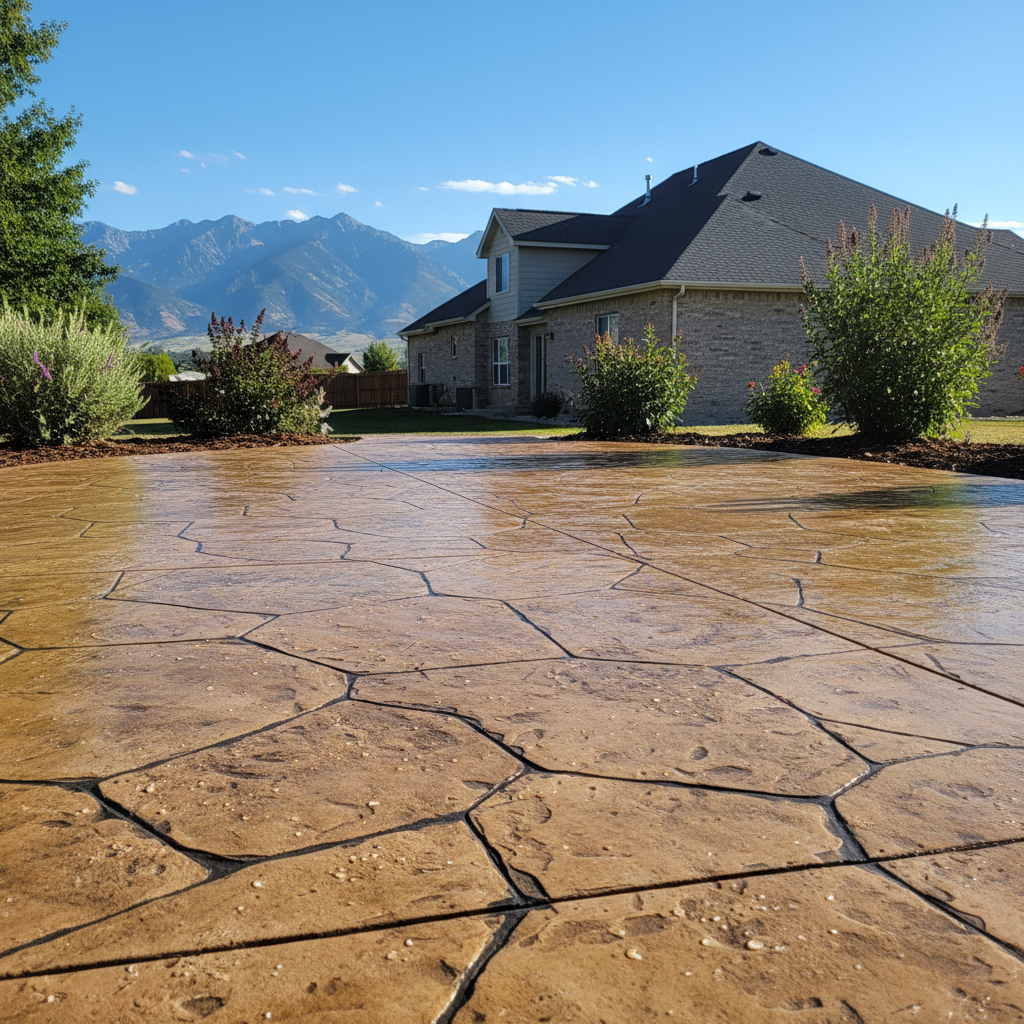
So, you've got stamped concrete, huh? That's a smart choice. It looks fantastic and adds a ton of curb appeal. But here's the deal: it's not a 'set it and forget it' kind of thing. If you want that beautiful pattern and color to last, especially with Ogden's wild temperature swings and the sun beating down, you've got to give it a little love. I've been pouring and sealing concrete around here for years, and I've seen what works and what definitely doesn't.
Extending Your Stamped Concrete's Life: The Sealing Secret
The biggest thing you can do to protect your stamped concrete is proper sealing. Think of the sealer as a shield. It keeps moisture out, prevents staining, and protects the color from fading under our intense Utah sun. When we finish a job at Sunrise Concrete, we always apply a high-quality sealer, but it's not a one-and-done deal.
You'll need to reseal your stamped concrete every 2-3 years, sometimes even sooner if it sees heavy traffic or direct, all-day sun exposure. How do you know it's time? Pour a little water on it. If the water beads up nicely, you're probably good. If it soaks in and darkens the concrete, it's definitely time to reseal. Don't put it off; that's when problems start.
Before you reseal, the surface needs to be clean and dry. I mean really clean. Power washing is usually the way to go, but be careful not to use too much pressure or you could damage the surface. Use a good quality, non-slip sealer. There are different types – some are water-based, some are solvent-based – and the right choice depends on your specific concrete and the look you're going for. If you're unsure, give us a call; we're happy to point you in the right direction.
Regular Maintenance: Keep It Clean
Beyond sealing, regular cleaning is pretty straightforward. You're mostly trying to prevent dirt, grime, and leaves from sitting on the surface and causing stains or degradation.
- Sweep Regularly: Just like any other patio or driveway, sweep off leaves, dirt, and debris. Especially in the fall when the leaves are coming down, you don't want them sitting there wet for weeks.
- Hose It Down: A good rinse with a garden hose periodically will wash away surface dirt. For tougher spots, a mild detergent and a stiff brush can work wonders. Just make sure it's a non-abrasive cleaner.
- Watch for Stains: If you spill something like oil, grease, or even a drink, clean it up quickly. The longer it sits, the harder it is to remove, even with a good sealer.
- Snow and Ice: This is a big one for us in Ogden, especially when you're dealing with those icy mornings after a cold snap. Avoid using de-icing salts like rock salt. They can be really harsh on concrete and can break down the sealer and even the concrete itself over time. Shovel early and often. If you need something for traction, sand is a much better option.
Warning Signs of Trouble: What to Look For
Your stamped concrete will usually tell you when something's not right. Keep an eye out for these:
- Fading Color: If the vibrant color you loved is starting to look dull or washed out, it's a strong sign your sealer is failing and the sun's UV rays are getting to the pigment.
- Flaking or Peeling Sealer: This means the sealer wasn't applied correctly, or it's just worn out. You'll see bits of the top layer coming off. This usually requires stripping the old sealer and reapplying.
- Cracks: Small hairline cracks are pretty common in concrete – it's just what concrete does. But if you see larger cracks, or cracks that are growing, that could indicate a bigger issue with the base or subgrade. This is more serious.
- Pitting or Spalling: This looks like small chunks of concrete are popping out, leaving little craters. This often happens from freeze-thaw cycles when water gets into the concrete and expands as it freezes. It's a sign that water is penetrating the surface, likely due to a compromised sealer.
When to Call a Professional
Look, I'm all for DIY, but some jobs are best left to the pros. You should definitely call someone like us at Sunrise Concrete if:
- You're seeing significant cracking or crumbling. This might mean structural issues that need a trained eye.
- Your sealer is flaking or peeling badly. Stripping old sealer and reapplying can be a tricky process to get right without damaging the concrete.
- You have stubborn stains you can't remove. We have industrial-grade cleaners and techniques that can often tackle what household products can't.
- You're unsure about the right type of sealer or application method. Using the wrong product can cause more harm than good.
- You just don't have the time or tools. We're here to help keep your investment looking its best.
Taking care of your stamped concrete isn't rocket science, but it does require a little attention. A small amount of effort now can save you a lot of headaches and money down the road, ensuring your beautiful patio or driveway continues to enhance your home for years to come.